Synonyms
More meanings
Tip: select a single word for meaning & synonyms.
Select multiple words normally to copy text.

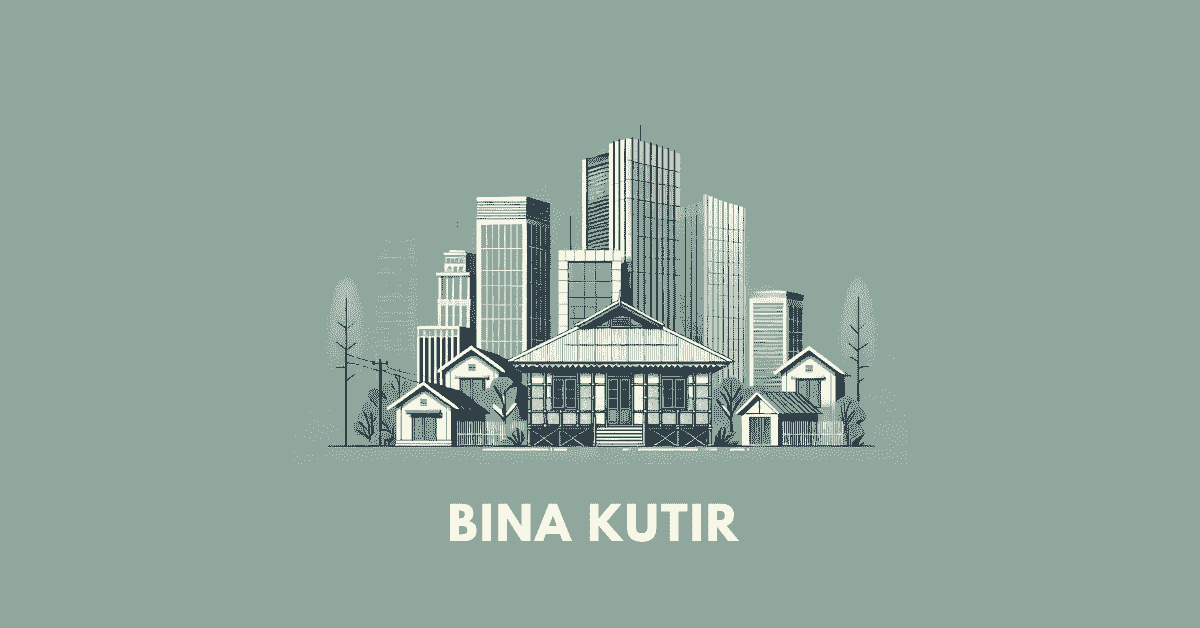
Get summaries, questions, answers, solutions, notes, extras, PDF and guide of Class 12 (second year) Alternative English textbook, chapter 5 Bina Kutir by Saurav Kumar Chaliha, which is part of the syllabus of students studying under AHSEC/ASSEB (Assam Board). These solutions, however, should only be treated as references and can be modified/changed.
Narrated in the first person, “Bina Kutir” is a somewhat speculative account of a man’s search for a rented house in Guwahati. The story unfolds through a series of imagined situations. It begins with the narrator entering a neighbourhood filled with concrete constructions, with some buildings at various stages of development. During his search for a suitable home, he discovers a solitary Assam-type house in the lane, standing out amidst the many multi-storey concrete structures. The unoccupied house has a bina flower plant, leading the narrator to speculate that the house might be called “Bina Kutir.” However, this is not its actual name; the narrator uses it for his imaginative purposes. The word “kutir” implies a small house, often viewed as a cottage.
Uncertain about where to gather information, the narrator approaches a vendor-shop facing the house and tries to elicit information from the young man behind the counter. The young man knows little, but through their conversation, the narrator learns, though not with complete certainty, that a small family once lived there. The family head was a Sanskrit teacher, and he lived with his two sons and daughter. The elder son became a teacher like his father, while the younger pursued medical studies in Dibrugarh. The daughter, whom the narrator imagines as named “Bina,” eventually married, and little is known about her current whereabouts. These speculations are part of the narrator’s imagination, yet they contribute to his assessment of the situation.
The narrator concludes that this family represented an old tradition, valuing non-commercial ideals. He believes that after the father’s death, the children kept the house as it was, reflecting their good upbringing and lack of interest in commercial gain. He also imagines that the second son’s decision to go against his father’s wishes created an unresolved rift. However, when the narrator learns that his imagined image of a tradition-loving family uninterested in profit was misplaced, he gets lost in his imagination again.
A close reading of the story reveals life in Guwahati over five decades ago, highlighting the city’s gradual urbanisation. The narrative combines the process of storytelling with the narrator’s fertile imagination, bringing the past to life based on the information he receives and his own visualisations to create his version of the situation.
1. Bina Kutir is an RCC building.
Answer: False
2. Rehana is the name of the daughter.
Answer: False
3. The narrator sips Coca-Cola.
Answer: True
4. The young man is preparing for an Economics exam.
Answer: False
1. Which car brand is mentioned in the story?
Answer: Ford
2. Mr Mehta’s office is located in which city?
Answer: Calcutta
3. Which alternative location was offered to the narrator regarding a rented accommodation?
Answer: Lachit Nagar
4. Where does the younger son go to pursue medical studies?
Answer: Dibrugarh
5. Who is Brajen Kalita?
Answer: PWD overseer
1. Name the places from Arunachal Pradesh and Mizoram mentioned in the story.
Answer: Pasighat and Aizawl.
2. What is the name of the younger son’s wife and in which part of the house are they seen to be engaged in conversation?
Answer: Rehana, in the backyard.
3. Who enquired about the monthly shipment of a product, and what was that product?
Answer: A couple, Glaxo.
4. To which school were classes shifted for six months, and why?
Answer: Bishnuram High School, taken over by the military.
5. What did the girl go to watch when it passed by the gate?
Answer: A horse-driven carriage with film posters accompanied by a band-party.
1. What is your impression of the neighbourhood where Bina Kutir is located?
Answer: The neighbourhood where Bina Kutir is located is described as cramped and cluttered with newly constructed concrete buildings. These buildings are characterized by haphazardly propped iron rods, obscured views due to stairs and sanitary installations, and minimal verandas. The area is heavily influenced by trade and commercial activities, with godowns, residential spaces of companies, and shops, creating a noisy and busy atmosphere with diesel trucks, rickshaws, and motor pumps contributing to the cacophony.
2. What does the presence of trade and commercial establishments signify regarding the growth pattern of city life depicted in ‘Bina Kutir’?
Answer: The presence of trade and commercial establishments in the vicinity of Bina Kutir signifies a pattern of urban growth where commercial interests dominate, leading to the replacement of residential spaces with commercial buildings. This shift indicates a trend towards economic development and urbanisation at the cost of personal and family spaces, reflecting the changing priorities and lifestyle in the city.
3. How does the narrator use the Coca-Cola bottle to facilitate the flight of the narrator’s imagination in the story?
Answer: The narrator uses the Coca-Cola bottle as a medium to trigger his imagination and create vivid mental images. By staring into the bottle and sipping the drink, the narrator visualizes scenes and characters from the past associated with Bina Kutir. This imaginative process allows him to reconstruct stories and speculate about the lives of the people who once lived there, blending reality with his imaginative interpretations.
4. What plans do the two sons have regarding commercial growth mentioned towards the end of the story?
Answer: Towards the end of the story, it is revealed that the two sons have different plans for commercial growth. The elder son, who is now a professor and has become wealthy, plans to open a press in his own house, finding publishing to be more profitable. The younger son, a doctor, intends to construct a large RCC building, which he will rent out, with his own medical chamber on the ground floor. These plans indicate their inclination towards commercial ventures and making profitable use of their property.
1. Comment on the significance of the title of the story ‘Bina Kutir’.
Answer: The title of the story ‘Bina Kutir’ holds significant meaning as it reflects both the physical and symbolic aspects of the narrative. “Bina Kutir” refers to a small, Assam-type house amidst a rapidly urbanising neighbourhood. The term ‘Kutir’ implies a cottage, symbolising simplicity and a connection to tradition. The house, with its rare bina flowering plant, stands out against the backdrop of concrete buildings, embodying resistance to commercialisation and modernisation. The narrator’s fascination with the house and its imagined history underscores the theme of nostalgia and the longing for a bygone era where life was perceived as more serene and less driven by profit. The house, therefore, becomes a character in itself, representing the old world values and a sense of identity that the narrator yearns for in the face of encroaching urban chaos.
2. How much of the narrator’s speculation do you think is responsible for the characterisation in the story? Give a well-reasoned answer.
Answer: The narrator’s speculation plays a crucial role in shaping the characterisation in the story. Much of what we learn about the inhabitants of ‘Bina Kutir’ is filtered through the narrator’s imagination. The narrator constructs detailed backstories for the house’s former residents, such as the scholarly father, his two sons, and a daughter named Bina, even though these are not confirmed facts. This speculative characterisation allows the narrator to romanticise the past and imbue the house with a rich, albeit imagined, history. It reflects the narrator’s inner desires and his resistance to the present-day commercialism. By doing so, the narrator not only brings the house and its supposed occupants to life but also critiques the loss of cultural and familial values in the wake of modernisation. Thus, the speculation is not just a narrative device but a lens through which the reader understands the deeper themes of memory, identity, and change.
1. The house Bina Kutir is surrounded by newly constructed concrete buildings.
Answer: True
2. The house Bina Kutir has an intact and sturdy wooden gate.
Answer: False
3. The narrator sips Coca-Cola during his conversation with the young man.
Answer: True
4. The house Bina Kutir is referred to by its name because it has a bina plant in the front.
Answer: True
5. The house Bina Kutir has been occupied for the past nine months.
Answer: False
6. The narrator finds the house with a well-maintained grassy frontage.
Answer: False
7. The young man in the Coca-Cola shop is preparing for an Economics exam.
Answer: True
8. The house Bina Kutir was once occupied by a teacher and his family.
Answer: True
9. The younger son of the family became a doctor and studied in Dibrugarh.
Answer: True
10. The daughter of the family married a man who drove a Ford car.
Answer: True
11. The young man in the Coca-Cola shop is well-informed about the history of Bina Kutir.
Answer: False
12. The young man in the Coca-Cola shop suggests that the house is up for rent.
Answer: False
13. The narrator finds the house Bina Kutir appealing and considers renting it.
Answer: True
14. The house Bina Kutir has been well-maintained and shows no signs of neglect.
Answer: False
15. The house Bina Kutir is described as an Assam type house.
Answer: True
16. The house Bina Kutir has a veranda that the narrator finds attractive.
Answer: True
17. The house Bina Kutir is located in a quiet and serene neighborhood.
Answer: False
18. The narrator has no trouble finding information about the house Bina Kutir.
Answer: False
19. The narrator learns that the younger son of the family is estranged from his father.
Answer: True
20. The young man in the Coca-Cola shop lives in the same neighborhood as Bina Kutir.
Answer: False
21. The house Bina Kutir is surrounded by residential buildings only.
Answer: False
22. The narrator imagines the past life of the residents of Bina Kutir.
Answer: True
23. The house Bina Kutir is currently occupied by a large family.
Answer: False
24. The narrator decides not to pursue renting Bina Kutir after learning about its condition.
Answer: True
25. The young man in the Coca-Cola shop is aware of the landlord of Bina Kutir.
Answer: False
26. The narrator finds the house Bina Kutir with broken window panes.
Answer: True
27. The young man in the Coca-Cola shop is studying to become a teacher.
Answer: False
28. The house Bina Kutir has a well-maintained garden in the front.
Answer: False
29. The house Bina Kutir is situated in a commercial area.
Answer: True
30. The narrator imagines a family living in Bina Kutir during his visit.
Answer: True
31. The house Bina Kutir is described as spacious and luxurious.
Answer: False
32. The young man in the Coca-Cola shop is planning to appear for the B.A. examination as a private candidate.
Answer: True
33. The narrator finds the house Bina Kutir to be an ideal place to live without any renovations.
Answer: False
34. The house Bina Kutir has a front yard that is free of litter and debris.
Answer: False
35. The narrator has a detailed conversation with the young man about the ownership of Bina Kutir.
Answer: True
36. The narrator sees a girl in the house Bina Kutir during his visit.
Answer: False
37. The narrator believes that the house Bina Kutir was once a lively home.
Answer: True
38. The house Bina Kutir is currently used as a commercial property.
Answer: False
39. The narrator decides to move into Bina Kutir immediately.
Answer: False
40. The house Bina Kutir has a bina plant that is flowering.
Answer: False
1. What type of house is Bina Kutir, and how does it differ from its surroundings?
Answer: Bina Kutir is an Assam type single-storey house, unlike the surrounding newly constructed concrete buildings. It maintains a traditional structure with a grassy frontage, in contrast to the modern buildings that have iron rods propped out and lack open space.
2. How is the state of disrepair of Bina Kutir described in the story?
Answer: Bina Kutir is described as having a dilapidated wooden gate, scattered pieces of litter, broken containers, and a broken bicycle. The window panes are broken, cobwebs cover the railings, and pigeon waste whitens the roof.
3. What type of vegetation is present in front of Bina Kutir?
Answer: A rare bina flowering plant, though completely flowerless and covered with dust and insect-infested leaves, is present in front of Bina Kutir.
4. Who is the main narrator of the story “Bina Kutir”?
Answer: The main narrator of the story “Bina Kutir” is an unnamed individual who is searching for a rented house in Guwahati.
5. Why does the narrator refer to the house as “Bina Kutir”?
Answer: The narrator refers to the house as “Bina Kutir” because of the bina flowering plant in front of it and for his own imaginative purposes, even though the house does not have any identifying signage.
6. What is the narrator searching for when he comes across Bina Kutir?
Answer: The narrator is searching for a rented house when he comes across Bina Kutir.
7. How does the narrator describe the commercial activity around Bina Kutir?
Answer: The narrator describes the commercial activity around Bina Kutir as cacophonous, with diesel trucks, rickshaws, push-carts, and the sound of motor-pumps drawing water into storage tanks, creating a noisy environment.
8. Who owns the shop the narrator visits, and what is the young man’s role there?
Answer: The shop is not owned by the young man; he is only the salesman. The owner is from the neighborhood but is not named in the story.
9. What question does the narrator ask the young man in the shop about Bina Kutir?
Answer: The narrator asks the young man why Bina Kutir is not offered for rent and who owns it.
10. How long has the house been vacant according to the young man in the shop?
Answer: According to the young man in the shop, the house has been vacant for at least nine months since they began operating the shop.
11. What was the profession of the original owner of Bina Kutir?
Answer: The original owner of Bina Kutir was a teacher of Sanskrit, who later became the Headmaster of Bishnuram High School.
12. What was the elder son’s profession?
Answer: The elder son of the original owner became a professor.
13. What happened to the younger son in the story?
Answer: The younger son left home in a huff after some quarrel and pursued medical studies in Dibrugarh.
14. What is the young man in the shop studying for?
Answer: The young man in the shop is studying for a B.A. examination as a private candidate.
15. How does the narrator imagine the younger son’s relationship with his father?
Answer: The narrator imagines that the younger son had a strained relationship with his father due to his decision to pursue medical studies against his father’s wishes.
16. What does the narrator drink while conversing with the young man in the shop?
Answer: The narrator drinks Coca-Cola while conversing with the young man in the shop.
17. How does the narrator imagine the past life of the family who lived in Bina Kutir?
Answer: The narrator imagines a traditional family life with the father deeply engrossed in scholarly pursuits, the elder son becoming a professor, and the younger son pursuing a career in medicine against his father’s wishes. The daughter, Bina, gets married and moves away.
18. How does the story depict the urbanization of the area around Bina Kutir?
Answer: The story depicts urbanization through the contrast between the lone, traditional Assam-type house and the surrounding modern, concrete buildings, along with the bustling commercial activities that have replaced the quieter residential area.
19. Why does the narrator find Bina Kutir appealing despite its dilapidated state?
Answer: The narrator finds Bina Kutir appealing due to its traditional charm, the potential for a pleasant living space with a grassy frontage, and the idea of preserving memories and an open, calm environment, unlike the lifeless RCC buildings.
20. What is the significance of the title “Bina Kutir” in the story?
Answer: The title “Bina Kutir” signifies the house’s association with the bina plant and serves as a symbol of the narrator’s imaginative reconstruction of the house’s past, blending reality with his personal narrative.
21. Describe the condition of Bina Kutir as observed by the narrator.
Answer: The narrator observes Bina Kutir in a dilapidated state with a broken wooden gate, scattered litter, broken containers, a discarded bicycle, and red-stained grass. The window panes are broken, cobwebs cover the railings, and pigeon waste whitens the rooftop.
22. How does the narrator feel about the modern buildings surrounding Bina Kutir?
Answer: The narrator feels that the modern buildings surrounding Bina Kutir are monotonous, lifeless, and staid, lacking the charm and appeal of Bina Kutir despite its dilapidated state.
23. What reasons does the narrator give for preferring Bina Kutir over other accommodations?
Answer: The narrator prefers Bina Kutir for its traditional charm, the potential for a pleasant living space with a grassy frontage, and the idea of preserving memories and an open, calm environment, unlike the lifeless RCC buildings.
24. How does the young man in the shop respond to the narrator’s inquiries about Bina Kutir?
Answer: The young man in the shop responds that Bina Kutir has been vacant for nine months, he has not seen anyone around, and he does not know much about the house’s ownership or why it is not offered for rent.
25. What does the narrator learn about the previous residents of Bina Kutir from the young man in the shop?
Answer: The narrator learns that the previous residents included a Sanskrit teacher who later became a headmaster, his two sons (one a professor and the other a doctor), and a daughter named Bina who got married. The younger son left home after a quarrel, and the elder son followed in his father’s scholarly footsteps.
26. How does the narrator use his imagination to visualize the past life of Bina Kutir?
Answer: The narrator imagines a traditional family life with the father deeply engrossed in scholarly pursuits, the elder son becoming a professor, and the younger son pursuing a career in medicine against his father’s wishes. The daughter, Bina, gets married and moves away. He envisions scenes of the family’s daily life and interactions, bringing the house’s past to life through his imagination.
27. What is the significance of the Coca-Cola bottle in the narrator’s conversation with the young man?
Answer: The Coca-Cola bottle serves as a catalyst for the narrator’s imagination, allowing him to visualize the past life of Bina Kutir and its residents. The scenes he imagines while drinking Coca-Cola help him create a vivid mental picture of the house’s history.
28. How does the narrator’s imagination influence his perception of Bina Kutir and its history?
Answer: The narrator’s imagination shapes his perception of Bina Kutir as a place of traditional values and a rich family history. He fills in the gaps of the actual history with his own speculative narratives, creating a romanticized vision of the house and its past inhabitants.
29. Describe the narrator’s interaction with the young man in the shop regarding the possibility of renting Bina Kutir.
Answer: The narrator enquires about renting Bina Kutir, and the young man in the shop informs him that the house has been vacant for a long time and there is no indication it is available for rent. Despite multiple inquiries, the young man does not have concrete information about the house’s availability or ownership.
30. How does the narrator’s search for a rental house reflect broader themes in the story?
Answer: The narrator’s search for a rental house reflects broader themes of urbanization, the clash between tradition and modernity, and the preservation of memory and heritage in a rapidly changing cityscape. His preference for the house symbolizes a longing for connection to the past and resistance to the impersonal nature of modern concrete structures.
31. What does the narrator imagine about the family’s attitude towards commercialism?
Answer: The narrator imagines that the family valued scholarly pursuits and tradition over commercial gain. He envisions the elder son wanting to preserve his father’s legacy and the house’s scholarly atmosphere, rejecting the idea of converting it for profit-driven purposes.
32. How does the story illustrate the changes in Guwahati over the decades?
Answer: The story illustrates changes in Guwahati through the contrast between the traditional Assam-type house of Bina Kutir and the surrounding modern concrete buildings. The presence of commercial establishments and the shift from a residential to a commercial area highlight the urbanization and transformation of the city.
33. What challenges does the narrator face in finding suitable accommodation?
Answer: The narrator faces challenges such as the unavailability of traditional houses like Bina Kutir for rent, the preference for modern RCC buildings, and the noisy, congested environment of the commercial area. His desire for a house with charm and history makes his search more difficult.
34. How does the narrator’s conversation with the young man reveal the economic conditions of the area?
Answer: The conversation reveals that the area is economically driven, with high demand for commercial space and difficulty in maintaining a balance between residential and commercial needs. The young man’s mention of high rent, running expenses, and the prioritization of commercial establishments over residential spaces reflects the economic pressures of the area.
35. What are the narrator’s final thoughts on the house and its current state?
Answer: The narrator’s final thoughts on the house are filled with a sense of melancholy and appreciation for its charm and history. He laments the house’s dilapidated state but finds solace in the idea that there are still people who value tradition and memory over commercial gain, like the imagined characters of Paramesh and the couple Bhabananda-Bina.

Only for registered users
You did a great job with releasing this textual question answer and summary.
Thanks for giving it so easily