Synonyms
More meanings
Tip: select a single word for meaning & synonyms.
Select multiple words normally to copy text.

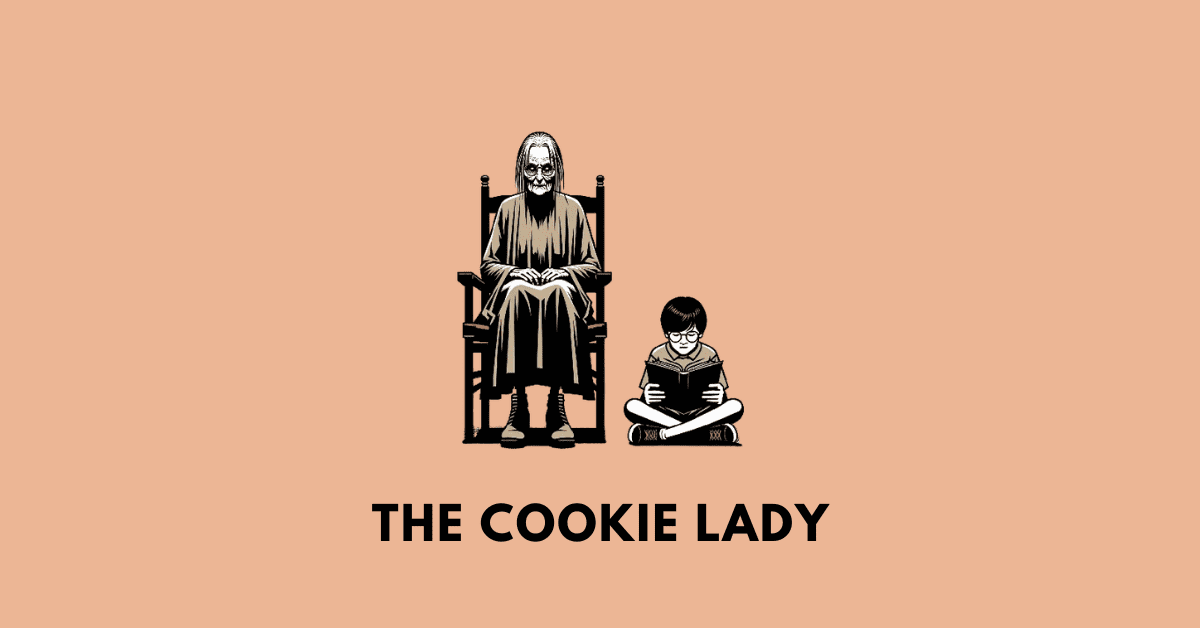
Get notes, summary, questions and answers, workbook solutions (Beeta Publication/Morning Star), critical analysis, word meanings, extras, and pdf of Philip K. Dick’s story Philip K. Dick: ISC Class 12 English (Prism). However, the notes should only be treated for references and changes should be made according to the needs of the students.
The story opens with young Bubber Surle walking down the street as other neighbourhood boys taunt him about visiting an elderly woman they refer to as his “lady friend.” Bubber ignores them and continues to the run-down home of Mrs. Drew, known around the neighbourhood as the “Cookie Lady.” She greets Bubber warmly, having just baked fresh cookies for him, his favourite treat.
As Bubber sits eating cookies in her living room, Mrs. Drew asks him to read aloud from his school books, claiming she enjoys being read to since her eyesight is failing. As he reads in a dull monotone, Mrs. Drew sits very close by, observing him intently. A strange transformation begins occurring – Mrs. Drew starts growing younger, her withered skin plumping up and wrinkles disappearing as she seems to feed off Bubber’s youthful energy. However, the transformation is only temporary and she becomes old again as soon as Bubber leaves.
Bubber’s parents dislike him spending time with the eccentric Cookie Lady. They notice he comes home exhausted and tells him that he can visit her only one last time. Bubber tells Mrs. Drew this next visit will be his last per his parents’ orders. Mrs. Drew is distraught and begs Bubber to stay and read to her. She moves her chair even closer to the boy and touches his arm, intensifying the rejuvenating effect. Lost in her own restoration, Mrs. Drew becomes a vivacious, dark-haired beauty, the withered old woman totally transformed. Oblivious, Bubber simply finishes the cookies and leaves.
As Bubber struggles home through the cold dusk, he becomes increasingly weak and ill, needing to frequently stop and rest. His concerned parents hear faint tapping at the front door and open it to find a bundle of dry weeds blowing in the wind. The implication is that Mrs. Drew’s selfish rejuvenation completely drained Bubber’s life force, leaving only his depleted remains.
1. Why did Bernard visit the old lady regularly after school?
(a) To look after her
(b) To provide company to her
(c) To satiate his desire for cookies
(d) To get motherly affection from her.
Answer: (c) To satiate his desire for cookies
2. On reaching the old lady’s house, Bernard’s heart began thudding with anticipation for
(a) meeting the old lady.
(b) earning money by doing chores
(c) being able to see the old lady
(d) getting his favourite cookies
Answer: (d) getting his favourite cookies
3. The old lady used to prolong Bernard’s stay in her house by
(a) taking extra time for making the cookies.
(b) asking him to read something to her.
(c) telling him stories from the books she had
(d) All of the above
Answer: (b) asking him to read something to her.
4. Why did the old lady sit on her porch?
(a) To look out for someone to give her company
(b) To siphon away someone’s life force to become young again
(c) Both (a) and (b)
(d) To sit in the sun and get warmth.
Answer: (a) To look out for someone to give her company
5. How did the old lady feel a change occurring in her body?
(a) By siphoning away Bernard’s life force
(b) By enjoying Bernard’s company
(c) By getting inspiration from the books Bernard used to read to her.
(d) All of the above.
Answer: (a) By siphoning away Bernard’s life force
6. What is suggested by Bernard’s act of filling his pockets with cookies?
(a) His desire to take them home for his parents
(b) His craving for freshly-baked cookies
(c) His desire to please the old lady
(d) His desire to take them for his friend Ernie.
Answer: (b) His craving for freshly-baked cookies
7. Why did tears blur Mrs Drew’s eyes?
(a) To realise the consequences of her sinister plan
(b) Because her youth and vigour had vanished.
(c) To realise that she had annoyed Bernard
(d) To see Bernard had taken away all the cookies
Answer: (b) Because her youth and vigour had vanished.
8. How did the old lady react when Bernard told him that it was his last visit to her house?
(a) She felt dizzy and sat down
(b) She took him into the kitchen
(c) She took a harsh, frightened breath
(d) She began reading something by Trollope
Answer: (c) She took a harsh, frightened breath
9. Which figure of speech is used in the line given below?
‘Against the window a fly buzzed.’
(a) Simile
(b) Metaphor
(c) Personification
(d) Onomatopoeia
Answer: (d) Onomatopoeia
10. Why did not Bernard notice the change in Mrs Drew’s appearance?
(a) He was only interested in his cookies
(b) Only Mrs Drew could see it.
(c) She did not allow him to see her by locking herself in her bedroom
(d) She went outside her house.
Answer: (a) He was only interested in his cookies
11. Which figure of speech is used in the line given below?
…his face fat and dull, a dead white.
(a) Simile
(b) Personification
(c) Metaphor
(d) Metonymy
Answer: (c) Metaphor
12. What kind of atmosphere has the author created while Bernard was returning home after visiting the old lady for the last time?
(a) Eerie and grievous
(b) Exciting, full of fun
(c) Hopeful of a new beginning
(d) Joyful and interesting
Answer: (a) Eerie and grievous
1. Ernie Mill laughed and laughed on seeing Bubber going towards the old lady’s house because ______
Answer: he was mocking Bernard and laughingly asked him why he would visit the old lady.
2. Bubber’s mouth began to water on reaching Mrs Drew’s house because ______
Answer: he could get the wonderful warm smell of the freshly baked cookies she made.
3. When Bubber had finished eating the cookies, he glanced toward the kitchen again because ______
Answer: he was looking at the rest of the cookies on a big blue plate on the stove, wanting more.
4. The old lady asked Bubber to stay and talk to her for a while because ______
Answer: she was a lonely woman who lacked companionship and found comfort in having someone to talk to or read to her.
5. When Bernard left Mrs Drew’s house after having filled his pockets with cookies, he felt tired because ______
Answer: Mrs Drew had been temporarily draining his youthful energy and life force while he was in her house.
6. Tears blurred the old lady’s eyes when Bernard left her house because ______
Answer: the youth and vigour she had temporarily gained from his presence vanished as soon as he left, leaving her old and frail again.
7. Bernard always felt washed out, tired and exhausted after visiting the old lady because ______
Answer: Mrs Drew was a psychic vampire who was unknowingly sucking out his life force in exchange for the cookies.
8. The sight of a woman drinking a big chocolate soda made Bernard to increase his pace a little towards his destination because ______
Answer: it triggered his own craving, making his mouth water and confirming his decision to go to Mrs Drew’s house for cookies.
9. The old lady had removed the table and the lamp from the living room because ______
Answer: she wanted to move her chair closer to the couch to be nearer to Bernard, which would allow her to better absorb his youthful energy.
10. The old lady trembled with fear when she touched her forehead and found her skin dry and brittle like old paper because ______
Answer: she was terrified by the thought that this was Bernard’s last visit, meaning she would lose her only chance to regain her youth permanently.
11. When Bernard visited the old lady’s house for the last time, she hurriedly went to her bedroom because ______
Answer: she wanted to gaze at her reflection in the mirror to confirm that her transformation into a young and lovely woman was complete and permanent.
12. Mrs Drew laughed gaily when she bid good-bye to Bernard on his last visit to her house because ______
Answer: she had successfully accomplished her sinister plan, permanently draining all of Bernard’s youthfulness to make herself young again, and felt no remorse for her actions.
1. Who was Mrs Drew? Why did Bernard visit her house everyday after school?
Answer: Mrs Drew, also known as the Cookie Lady, was the antagonist of the story. She is described as an old, dried-up lady, like the weeds that grew in front of her house, with a thin, fragile body, mottled skin, and gray hair. She was a lonely woman who lived all alone in a shabby, unpainted, and dilapidated house. In the story, she is a psychic vampire who exploits a chubby, food-loving teenager named Bernard for her own selfish motives.
Bernard visited Mrs Drew’s house every day after school because he had an irresistible craving for her freshly baked cookies. He was a perpetually hungry teenager who could do anything for a plate of cookies. The wonderful warm smell of the cookies would make his mouth water, and he regularly visited her house simply to eat his favourite cookies and satisfy this craving.
2. How did Mrs Drew lure Bernard into her trap? Why did she do so?
Answer: Mrs Drew lured Bernard into her trap by tempting him with his favourite, freshly baked cookies with nuts and raisins in them. She had first called to him one day when she was sitting on her porch and he was passing by, luring him by pointing to the cookies by her rocker. She continued to provide him with these delicious cookies, which were his weakness, every time he visited.
Mrs Drew did this to fulfil her sinister motive of regaining her youth. She had been living alone for a long time and felt the need to become young again, perhaps to regain the societal acceptance she once had. To accomplish this, she needed to exploit a soft target. She found this in Bernard and planned to suck out his youthfulness and life force to transform herself into a young lady.
3. What changes did Mrs Drew notice in herself for the first time when Bernard sat near her and read from his Geography book?
Answer: When Bernard sat near her and read from his book, Mrs Drew keenly watched him and felt something happening to her. She began to change, with her gray wrinkles and lines diminishing. As she sat in her chair, she felt herself growing younger and regaining her vigour. Her thin, fragile body started filling out with youth again.
Her gray hair thickened and darkened as colour returned to the wispy strands. Her arms filled out, and the mottled flesh turned a rich hue. She felt a warm fullness, a breath of warmth inside her cold body for the first time in years. This transformation would end when Bernard stopped reading and left, but it happened almost every time he visited and sat near her.
4. How did Bernard’s parents react when he came back home totally exhausted?
Answer: Whenever Bernard returned home totally exhausted after visiting Mrs Drew’s house, his parents, May and Ralf Surle, showed their concern. They realised that he was always washed out and tired after visiting the “crazy old lady.”
His father, Ralf, forbade him from visiting her house anymore, stating that he did not care how many cookies she gave him because he came home too tired. However, when Bernard mentioned he had promised Mrs Drew he would return, his mother allowed him to go one last time. Although they were concerned, they never tried to find out the reason for his loss of energy, nor did they help him overcome his craving for cookies.
5. Explain briefly how did the Cookie lady accomplish her sinister motive?
Answer: The Cookie Lady accomplished her sinister motive on Bernard’s last visit. When Bernard announced that his father had forbidden him from visiting her anymore, Mrs Drew was petrified and got the shock of her life. Realising she would lose her chance to regain her youth, she decided to implement her sinister plan immediately.
She asked him to read from a book, and as he did, she sat very close to him and gently touched his arm. By doing this, she sucked out all of his youthfulness. She felt his life energy flow through her fingers and into her arm, transforming her into a young, lovely lady. She gained what she desired, and in the process, turned poor Bernard into a bundle of weeds and rags that was blown away by the wind.
1. Describe the character of Mrs Drew as portrayed in the story, The Cookie Lady.
Answer: Mrs Drew is the antagonist of the story, an old lady who exploits a chubby, food-loving teenager named Bernard for her own selfish motive. Physically, she is described as an old, dried-up lady, similar to the weeds that grew in front of her house. She has a thin, fragile body, mottled skin, and gray hair, and lives all alone in a shabby, unpainted house that looks like a little gray box.
Mrs Drew appears to be a lonely woman who lacks love and companionship. Living in a deserted house, she rarely meets anyone except the postman who delivers her pension cheque and the garbage collectors. To seek company, she often sits on her porch. She feels comfortable, peaceful, and relaxed whenever Bernard visits and likes his company so much that she prolongs his stay by making him read from books, in which she has no real interest.
Her loneliness and memories of her youth induce in her an evil thought to regain her youth and societal acceptance. This sinister motive turns her into a selfish woman with no scruples. She identifies Bernard as a soft target and lures him to her house with freshly baked cookies, which are his weakness. She discovers that his proximity allows her to regain her youth temporarily. When Bernard informs her that it will be his last visit, she is shocked and decides to implement her sinister plan immediately. By touching his arm, she sucks out all his youthfulness, permanently transforming herself into a young woman while turning Bernard into a bundle of weeds and rags. She shows no remorse and laughs gaily as she bids him a final good-bye.
2. “Bernard became a victim of his temptations.” Explain the above statement in a paragraph of about 200-250 words with reference to the story, The Cookie Lady.’
Answer: The statement that Bernard became a victim of his temptations is accurate. Bernard, the protagonist, is an overweight, chubby, and simple teenager who cannot resist the temptation of freshly baked cookies. This craving is his primary weakness. On the other hand, the old lady, Mrs Drew, also has a temptation, which is the carnal desire to regain her lost youth. It is this temptation that leads her to call Bernard to her house by pointing to the cookies by her rocker. Bernard falls for his temptation for cookies and begins visiting Mrs Drew every day after school. Once he has tasted her cookies, nothing can stop him from returning, not the mockery of his friend Ernie Mill nor the advice of his parents. He is so engrossed in his craving for cookies that he willingly waits for them and reads to Mrs Drew from books. His focus on satisfying his temptation is so complete that he fails to see her evil designs or notice the physical changes that occur in her during his visits. He does not even understand why he feels so drained, tired, and exhausted after leaving her house. Mrs Drew exploits this weakness, luring him with his favourite food to siphon away all his youthfulness to fulfill her own desire to become a young woman of thirty. In the end, Bernard’s inability to control his temptation leads to his destruction, as he is turned into a speck of dust, a life ruined for the sake of cookies.
3. What do you think would have happened to the Cookie Lady after Bernard’s last visit to her house? Write your answer in about 250-300 words.
Answer: After Bernard’s last visit, I think Mrs Drew would have started an entirely new life. The story mentions that after she drained Bernard’s life force, her transformation into a young and lovely woman was permanent; it had not gone away as it did on previous occasions. She was filled with a bursting joy and excitement, looking at her full, rounded body and thinking of all the things she could now do.
Given her new state, she would have no reason to remain in the old, dilapidated house that was a symbol of her past decay and loneliness. I believe she would have left that shabby gray box behind, perhaps selling it or simply abandoning it. She would have moved to a new town or city where no one knew her as the strange, dried-up old lady. Her sinister motive was partly to regain the societal acceptance she had when she was young, so she would now seek it out.
As a young, attractive woman of about thirty, she could easily blend into society, find a job, make friends, and enjoy the life she had stolen. She had no remorse for her actions; she laughed gaily after sending the depleted Bernard away. This lack of conscience suggests she would live her new life without any guilt. It is also possible that if her stolen youth ever began to fade, her first instinct would be to find another innocent victim, proving that she was a true psychic vampire who would do anything to preserve herself.
4. How can you conclude that The Cookie Story’ is a horror story?’
Answer: ‘The Cookie Lady’ can be concluded as a horror story based on several key elements present in its narrative. The introduction itself labels it a horror story and describes Mrs Drew as a psychic vampire who trades cookies for the life-force of a young boy, Bernard, ultimately leaving him as a bundle of weeds and rags. This supernatural premise is a cornerstone of the horror genre.
The author skillfully blends fear and suspense to create an eerie atmosphere. The setting contributes significantly to this feeling; Mrs Drew’s house is described as a little gray box, shabby and unpainted, with an overgrowth of old, dry weeds that rustled and chattered in the wind. This imagery creates a sense of dread and foreboding from the very beginning, suggesting that something dangerous will happen inside.
The story uses various forms of imagery to create a feeling of creepiness. Visual imagery of the decaying house and the dark, windy night, and auditory imagery of the rustling weeds and the howling wind, all enhance the unsettling atmosphere. The climax of the story is pure horror: Bernard is not simply harmed but is supernaturally destroyed, his life force completely drained until he is reduced to a bundle of trash blown by the wind. His father discovers this “something gray and dry” bouncing against the porch, unable to recognize it as his son. This gruesome and unnatural fate for the protagonist solidifies the story’s classification as horror.
5. Imagine you are Bernard describe your last visit to Mrs Drew’s house.
Answer: My parents were very angry with me. Dad said I wasn’t to go to Mrs Drew’s house anymore because I always came home looking so tired and washed out. But I had promised her I would come back, so Mum said I could go one last time, just to tell her nicely that I couldn’t visit again. On my way, I saw a woman drinking a big chocolate soda, and my mouth started to water. I knew I had to have Mrs Drew’s cookies.
When I reached her house, it looked as strange as ever, with the dry weeds rustling in the wind. Mrs Drew seemed very happy to see me. She went to the kitchen to start the cookies, and I noticed she had moved her furniture. Her chair was right next to the couch, and the little table between them was gone. When I told her it was my last visit because my father had forbidden it, she looked terrified. Her whole body went rigid, and her hands trembled as she gave me a book to read.
As I read, she sat very close to me and then touched my arm. I didn’t think much of it and just kept reading. Soon after, she went to get the cookies. Her voice sounded different, deeper and not so dry, but I was too focused on the cookies to notice much. I ate as many as I could and stuffed the rest in my pockets. As I stood to leave, I felt terribly strange and my face felt dull and dead white. Mrs Drew just laughed as she said goodbye. The walk home was a nightmare. I was so tired I could barely move, and the cold wind pushed me around. I felt like I was falling apart, and then, I was. I became nothing but a bundle of old weeds and rags, blowing in the wind, tapping helplessly against my own front door.
1. What was Ernie Mill doing when he saw Bubber?
A. Delivering newspapers
B. Reading a book
C. Fixing papers for his route
D. Calling to his friends
Answer: C. Fixing papers for his route
2. What did Ernie ask Bubber when he saw him?
A. Where are you going
B. Why do you visit the old lady
C. What route are you taking today
D. Would you like to play
Answer: B. Why do you visit the old lady
3. How did Bubber react to Ernie’s mocking?
A. He got angry
B. He replied rudely
C. He went on without heeding much
D. He threatened to hit Ernie
Answer: C. He went on without heeding much
4. Where was Mrs. Drew’s house located?
A. In the countryside
B. At the end of the street
C. Near the park
D. Beside the supermarket
Answer: B. At the end of the street
5. What was noticeable about the exterior of Mrs. Drew’s house?
A. Freshly painted walls
B. Blooming flower beds
C. Overgrown weeds
D. New roof
Answer: C. Overgrown weeds
6. What piece of furniture was on the porch of the house?
A. Table and chairs
B. Sofa
C. Old rocking chair
D. None of the above
Answer: C. Old rocking chair
7. What smell made Bubber’s mouth water as he approached the house?
A. Fresh bread
B. Cookies baking
C. Stew cooking
D. Roast chicken
Answer: B. Cookies baking
8. What did Mrs. Drew serve the cookies to Bubber with?
A. Tea
B. Juice
C. Milk
D. Water
Answer: C. Milk
9. Where did Mrs. Drew invite Bubber after serving him cookies?
A. Kitchen
B. Dining room
C. Living room
D. Backyard
Answer: C. Living room
10. What book did Bubber read aloud to Mrs. Drew?
A. Novel
B. Poetry
C. Geography
D. Chemistry
Answer: C. Geography
11. What change began happening to Mrs. Drew as Bubber read to her?
A. She fell asleep
B. She lost her hearing
C. She looked younger
D. She felt confused
Answer: C. She looked younger
12. Approximately how old did Mrs. Drew appear after the transformation?
A. 20 years old
B. 30 years old
C. 40 years old
D. 50 years old
Answer: B. 30 years old
13. How did Mrs. Drew feel after the transformation?
A. Frightened
B. Ecstatic
C. Indifferent
D. Embarrassed
Answer: B. Ecstatic
14. What happened when Bubber said he had to leave?
A. Mrs. Drew begged him to stay
B. Mrs. Drew changed back to her old self
C. Mrs. Drew got angry
D. Mrs. Drew fainted
Answer: B. Mrs. Drew changed back to her old self
15. What rule had Bubber’s parents set about visiting Mrs. Drew?
A. He could never go there again
B. He had a time limit for visits
C. He could go only once more
D. He had to be home by dinner time
Answer: C. He could go only once more
16. Why did Bubber briefly stop outside the drugstore?
A. He wanted to buy medicine
B. He was tempted by the ice cream
C. He had to tie his shoelace
D. He felt weak and needed to rest
Answer: B. He was tempted by the ice cream
17. Why did Mrs. Drew sit close to Bubber during his last visit?
A. The table had been removed
B. She wanted to read along in his book
C. She couldn’t see well from a distance
D. She hoped to transform again
Answer: D. She hoped to transform again
18. What book did Bubber read from during his last visit?
A. Science book
B. Novel by Trollope
C. History book
D. Math book
Answer: B. Novel by Trollope
19. What did Mrs. Drew do after Bubber left with the cookies?
A. Cleaned the kitchen
B. Had a cup of tea
C. Admired herself in the mirror
D. Laid down to rest
Answer: C. Admired herself in the mirror
20. What were Bubber’s parents doing while waiting for him to return?
A. Eating dinner
B. Watching TV
C. Looking out the window
D. Reading the paper
Answer: C. Looking out the window
21. How did Bubber seem on his way home after visiting Mrs. Drew?
A. Perfectly fine
B. Sick
C. Exhausted
D. Upset
Answer: C. Exhausted
22. What did Bubber’s parents initially think was blowing against their house?
A. A pile of leaves
B. A stray animal
C. A bundle of trash
D. Their son Bubber
Answer: C. A bundle of trash
23. What did Bubber’s father say when his wife asked what was outside?
A. “It’s a strong wind”
B. “It’s just a branch”
C. “It’s only the rain”
D. “It’s just the wind”
Answer: D. “It’s just the wind”
24. Why didn’t Bubber share details of his visits with his parents?
A. He was shy
B. He was embarrassed
C. He feared punishment
D. He wanted to keep visiting
Answer: D. He wanted to keep visiting
25. Why did Mrs. Drew want Bubber to keep visiting her?
A. She was fond of him
B. She was lonely
C. She enjoyed the transformations
D. She wanted to fatten him up
Answer: C. She enjoyed the transformations
26. Ernie Mill’s tone was:
A. sad
B. happy
C. mocking
D. friendly
Answer: C. mocking
27. The house in which Mrs Drew lives was:
A. a haunted house
B. shabby
C. very big
D. newly renovated
Answer: B. shabby
28. Mrs Drew was:
A. a young woman
B. a very old woman
C. charming and friendly
D. cynical
Answer: B. a very old woman
29. Mrs Drew served Bubber cookies with a glass of:
A. tea
B. coffee
C. hot milk
D. cold milk
Answer: D. cold milk
30. Bubber was carrying with him a book on:
A. poetry
B. chemistry
C. geography
D. general knowledge
Answer: C. geography
31. The rocking chair was placed:
A. in the living room
B. on the porch
C. near the staircase
D. in the backyard
Answer: B. on the porch
32. Mrs Drew turned into a woman of _______ when she came close to Bubber after his reading a book.
A. 20
B. 30
C. 35
D. 25
Answer: B. 30
33. What did Bubber’s parents discuss when they saw him coming from Mrs Drew’s house?
A. Bubbar was indifferent
B. Bubbar was tired out
C. Bubbar was behaving abnormally
D. Bubbar was annoyed
Answer: B. Bubber was tired out
34. What kind of boy was Bubber?
A. thin
B. obese
C. cheerful
D. very clever
Answer: B. obese
35. When Bubber told Mrs Drew that this was his last visit to hers how did she react?
A. angrily
B. foolishly
C. behaved awkwardly
D. felt unhappy
Answer: D. felt unhappy
1. What is the name of the young boy who visits Mrs. Drew?
Answer: The name of the young boy is Bernard, nicknamed Bubber.
2. What does Mrs. Drew serve the boy when he visits her?
Answer: Mrs. Drew bakes fresh, warm cookies with nuts and raisins for Bubber when he visits her. She also serves him cold milk to have with the cookies.
3. Why does the boy keep visiting Mrs. Drew?
Answer: Bubber keeps visiting Mrs. Drew because she bakes his favourite cookies for him. He is drawn to her house again and again because of his insatiable craving and love for the tasty cookies.
4. How does Mrs. Drew’s house look from the outside?
Answer: Mrs. Drew’s house is described as a little grey box that looks shabby and unpainted from the outside. The porch steps are sagging and there is an old weather-beaten rocking chair on the porch. The front of the house is overgrown with dry, rustling weeds.
5. Where is Mrs. Drew’s rocking chair located?
Answer: Mrs. Drew’s rocking chair is located on the sagging front porch of her shabby, unkempt home.
6. What happens to Mrs. Drew when the boy reads aloud to her?
Answer: When Bubber reads aloud to Mrs. Drew as she sits close beside him, she begins to transform into a more youthful version of herself. Her hair thickens and darkens, her wrinkles fade away, and her body fills out as if she is growing younger. It is suggested that Bubber’s presence and voice have a rejuvenating effect on her.
7. What is the reaction of the boy’s parents when he visits Mrs. Drew?
Answer: Bubber’s parents get annoyed and concerned when he visits Mrs. Drew, because he comes home exhausted afterwards. They tell him he cannot visit her anymore because they feel there is something strange about the old woman.
8. Why don’t the boy’s parents want him to keep visiting Mrs. Drew?
Answer: Bubber’s parents don’t want him visiting Mrs. Drew anymore because he comes home utterly exhausted, as if she has drained him of energy. They find her to be eccentric and strange and don’t think she has a positive influence on their son.
9. How does the boy feel after leaving Mrs. Drew’s house?
Answer: After leaving Mrs. Drew’s house, Bubber feels extremely weary and tired. He can barely walk home, his head aches, and the wind seems to blow right through his weakened body. This suggests she has drained him of vigour and youth.
10. Who is the author of the short story “The Cookie Lady”?
Answer: The author of the short story “The Cookie Lady” is Philip K. Dick.
11. What happens to the boy at the end of the story?
Answer: At the end of the story, after visiting Mrs. Drew one last time, Bubber deteriorates both mentally and physically into something less than human. He essentially turns into a mere bundle of trash that blows away in the wind, drained of life by the vampire-like old woman.
12. What happens to Mrs. Drew at the end of the story?
Answer: In contrast to Bubber’s dire fate, at the end of the story Mrs. Drew is described as feeling elated and youthful after absorbing the boy’s energy. She examines her rejuvenated face and body in the mirror, pleased at her transformation back into a younger, vigorous woman.
13. How would you describe Mrs. Drew’s personality?
Answer: Based on her exploitation of Bubber, Mrs. Drew seems to have a ruthless, selfish, and manipulative personality. She shows no concern for how her absorption of the boy’s essence affects him negatively. The reader gets the impression she will do anything for her own benefit.
14. How would you describe the boy’s personality?
Answer: Bubber is depicted as a rather innocent, passive boy who is drawn in by Mrs. Drew through his weakness for tasty treats. He obeys his parents’ orders and appears guileless, simply reading to the old woman without realising she is stealthily robbing him of his vitality.
15. What makes the boy’s mouth water when he passes by the soda shop?
Answer: When Bubber passes by the soda shop on the way to Mrs. Drew’s house, he sees a woman drinking a delicious-looking chocolate soda. Since Bubber loves sweet treats, the sight makes his mouth water with desire. However, his craving for Mrs. Drew’s cookies and milk ultimately wins out over the soda.
16. Why does the boy stop outside the drug store on his final visit to Mrs. Drew?
Answer: On the way to what ends up being his final, fateful visit with Mrs. Drew, Bubber briefly stops outside McVane’s drugstore and eyes the comic books, tempted. But his desire for the tasty cookies and milk the old woman has waiting overrides this, so he continues to her house.
17. How does Mrs. Drew react when the boy says it is his last visit?
Answer: When Bubber tells Mrs. Drew that his parents have forbidden him from visiting her anymore, Mrs. Drew reacts with distress and anguish at the thought of losing contact with the vital young boy who has been unwittingly keeping her alive.
18. What does the boy’s father say about Mrs. Drew?
Answer: Bubber’s father believes there is “something strange” about the elderly Mrs. Drew that makes his son come home profoundly exhausted after spending time with her. He senses something sinister and unnatural about the lonely old woman in the decrepit house.
19. Why does Mrs. Drew ask the boy to read to her?
Answer: Lonely in her isolated existence, Mrs. Drew asks Bubber to read aloud from his school books in order to have his company and hear his youthful voice. On a deeper, unstated level, she has him read as part of her ploy to absorb his essence while he is distracted.
20. How old does Mrs. Drew appear after touching the boy?
Answer: After Bubber reads to Mrs. Drew and she reaches out on the pretence of touching his arm, the elderly woman is reinvigorated until she sees herself as about thirty years old in the mirror – restored to youthful appearance thanks to Bubber’s drained energy.
21. What happens when the boy’s parents wait for him to return home?
Answer: As Bubber’s parents anxiously wait for his return from his final visit to the creepy Mrs. Drew’s house, instead of their son walking up, they see only a bundle of trash and debris blowing around in the cold night wind, suggesting he has been destroyed.
22. Do you think the ending is appropriate? Why or why not?
Answer: Yes, the ending is appropriate as it resolves the conflict between predator and prey in a fittingly grim way. Bubber being reduced to rubbish by the life-sucking Mrs. Drew while she glows with stolen youth wraps up the central tension neatly while staying true to the story’s horror roots.
23. How would you describe Mrs. Drew’s motivation in the story?
Answer: Mrs. Drew is motivated by a ruthless desire to regain lost youth by exploiting Bubber’s presence. She is driven by entirely selfish aims and is willing to harm another for the sake of her own restoration. Vanity, greed and vampirism seem to drive her more than compassion or ethics.
24. Do you think there are any deeper meanings in this story? Explain.
Answer: Yes, the story can be seen as an allegory about how the old exploit the young in order to recapture lost youth and vitality, thus damaging bright futures. On a deeper level, its exaggerated horror hints at the societal fear of ageing and underscores how age drains beauty and vigour from all eventually.
25. Why is Bernard teased by his friends? Where does he go?
Answer: Bernard is teased by his friend Ernie because he frequently visits an old lady named Mrs. Drew. Ernie asks in a mocking tone if Bernard is going to see his “lady friend” again. Bernard ignores the teasing and continues to Mrs. Drew’s house which is located at the end of the street.
26. Where was the old lady living? What kind of house was it?
Answer: The old lady Mrs. Drew lived in a small rundown grey house located at the end of Elm Street. Her house looked shabby and neglected with peeling paint, sagging porch steps, overgrown weeds in the yard, and an old rocking chair on the porch.
27. What tempts Bubber to the cookie lady?
Answer: Bubber is tempted to visit Mrs. Drew because she bakes fresh, warm cookies with nuts and raisins which are his favourite treat. She also serves him cold milk to drink with the cookies which makes it even more appealing to Bubber who has an insatiable sweet tooth.
28. What do you know about Bubber’s parents?
Answer: Not much background is provided about Bubber’s parents except that his father’s name is Ralf Surle and his mother’s name is May Surle. They do not approve of Bubber’s frequent visits to Mrs. Drew’s house and think there is something strange about the old lady’s influence on their son.
29. How long has Bubber been visiting the old lady? How would she feel in his presence?
Answer: The story indicates Bubber has been visiting Mrs. Drew for over a month. She seems to greatly enjoy Bubber’s company, as she does not like being alone and asks him to stay longer and talk or read to her. His youthful presence seems to have a refreshing, rejuvenating effect on Mrs. Drew.
30. What did the boy feel in her company and after he left her?
Answer: In Mrs. Drew’s company while eating cookies Bubber felt content and satisfied. But after leaving her house to return home, he felt extremely weary, tired, and drained of energy.
31. What reaction did Bubber’s parents give when he returned from Mrs Drew’s house?
Answer: Bubber’s parents were upset when he returned home late from Mrs. Drew’s, annoyed that he disobeyed their instruction not to stay too long. They also expressed concern that he came home exhausted and something strange was going on with the old lady.
32. What wrong do you find in Bubber visiting Mrs Drew?
Answer: It was unwise for an innocent, obese young boy to repeatedly spend time alone with a seemingly strange elderly woman. She appears to take advantage by exploiting Bubber’s youth and energy for her own benefit.
33. How did the lady feel the change in herself when Bubber visited her on his last visit?
Answer: On Bubber’s last visit, Mrs. Drew undergoes a shocking transformation where she suddenly begins rejuvenating and regaining a youthful vigour she had lost, with reddening lips, lush hair, firm flesh, and an exuberant thrill at getting her old body back.
34. Do you approve of the lady feeling happy over her transformation when she ignored what had happened to the boy?
Answer: No, it is despicable that Mrs. Drew only cares about restoring her own youth through some mystical energy drain from Bubber without any concern for his well-being or what terrible fate she doomed him to. Her selfishness and lack of conscience is quite disturbing.
35. What fate is meted out to Bubber?
Answer: The last scene shockingly reveals that Bubber never made it home from his final visit with Mrs. Drew, instead somehow turning into a mere bundle of trash papers and weeds blown about in the wind, essentially erased or destroyed.
36. What kind of boy is Bubber depicted?
Answer: Bubber is depicted as a fat, greedy, but innocent and oblivious boy who allows his craving for sweets and cookies to blind him to the dangerous stranger he interacts with, making him vulnerable to being exploited without realising the harm being done to him.
37. Discuss the appropriateness of the title of the story The Cookie Lady’ .
Answer: The title ‘The Cookie Lady’ is highly appropriate for this story as the old lady, Mrs Drew is the pivot around which the entire story revolves. She has an irresistible charm of making delicious cookies which draw the young boy Bubber to her small house again and again. While serving him cookies, she craftily gains proximity to the boy which enables her to steal his youth and get rejuvenated herself. The title highlights her skill in baking as well as her vicious motives.
38. Comment on the theme of the story.
Answer: The central theme of this horror story is the exploitation of innocence. The old Mrs Drew exploits Bubber’s innocence and craving for cookies to drain out his youth for her own benefit. It also shows how neglect on the part of parents can lead children to fall into the traps of unscrupulous people. The theme highlights the selfishness and greed for one’s own good at the cost of others.
39. Give a character sketch of Mrs Drew.
Answer: Mrs Drew is the main character around whom the story revolves. She is depicted as a shrewd, cunning old lady living alone in a dilapidated house overgrown with weeds. Her only aim is to exploit the boy Bubber who is drawn to her house by the irresistible cookies she bakes. While serving him cookies, she gains proximity with the boy which enables her to literally steal away all his youth and vitality, leaving him just an empty shell. She is shown to be utterly selfish, remorseless and vicious in her motives.
40. What kind of story is ‘The Cookie Lady’?
Answer: ‘The Cookie Lady’ is a horror story with strong elements of mystery and suspense. There is something strange and sinister about the old lady’s house, her persona and her interaction with the young boy. The reader feels an atmosphere of foreboding evil as the boy loses all his vitality after his visits to Mrs Drew’s house while she becomes younger. The climax where the boy turns into a bundle of trash being blown around builds the horror.
41. Discuss the plot of the story.
Answer: The story follows a linear plot sequence. The exposition introduces us to the boy Bubber who is drawn to the dilapidated house of Mrs Drew because of her irresistible cookies. The conflict arises from his repeated visits to her house where she craftily begins to drain out his youth. The suspense builds up around the strange transformation Mrs Drew undergoes and the abrupt ending where Bubber loses his human form comes as a horrifying twist. There are no subplots and the story focuses only on the bizarre relationship between the boy and the cookie lady.
42. Comment on the ending of the story. Could there be another ending?
Answer: The ending is quite abrupt and horrifying as Bubber loses his human form and existence and turns into a bundle of trash being blown around by the wind. This ending shows the extent of Mrs Drew’s vicious and exploitative nature. An alternative ending could have shown Bubber realising her evil motives and stopping his visits to her house on his parents’ advice. But that would have made it less horrifying. The present ending jolts the reader by its sheer unexpectedness.
43. Does the story ‘The Cookie Lady’ carry any meaning underneath? What is it?
Answer: Yes, beneath its horrifying plot, the story carries the message that innocent people like Bubber are often exploited by selfish and unscrupulous elements in society. The old lady represents the greed and exploitation facing innocence and gullibility in the modern world. Parents and guardians have a duty to guide and protect children from falling into such traps. The story is thus a critique of selfishness and suggests remaining vigilant in an increasingly materialistic world.

Only for registered users
It’s literally very helpful especially durings the exams thanks a lot🫀
Helpful in the last minute